Deep tech, built to ship
Hardware and software, from the first screw to the clinical user experience.
Black Point develops deep tech solutions where physics, firmware, and product UX have to agree. We embed with your team when the path is ambiguous, regulated, or performance-bound at the edge.
Whether you are proving a concept on a bench or hardening a device for real users, we own the arc end to end—not a slide deck that stops at the block diagram.
15 minutes. A working conversation. You leave with priorities you can act on this quarter.
Medical
Regulated paths, risk-aware design, and UX that survives scrutiny—not just a pretty mockup.
Embedded
Sensors, bring-up, and field prototypes on platforms your team can iterate with fast.
HPC / GPU
CUDA and close-to-silicon optimization when the math is the product bottleneck.
Quantum + AI
Today's frontier workloads where classical and quantum methods have to meet engineering reality.
Proof in the work, not the buzzwords
With Novanta, we develop medical device technology alongside their team. We own the whole process—from mechanical detail and integration through to the medical user experience—so decisions in the lab still make sense at the bedside.
For sport gear and wearables, we build rapid prototypes on Arduino and Raspberry Pi so athletes and product owners can feel the concept before you commit to custom silicon.
In life science compute, we have optimized DNA computation algorithms on CUDA processors—turning research-grade pipelines into something that respects memory, kernels, and wall-clock time.
Today we are optimizing AI algorithms on quantum hardware in Europe—among the continent's few production-oriented quantum platforms—where the goal is not a headline, but measurable gains on real problem classes.
If your roadmap lives at the boundary of hardware, software, and science, we speak all three dialects.
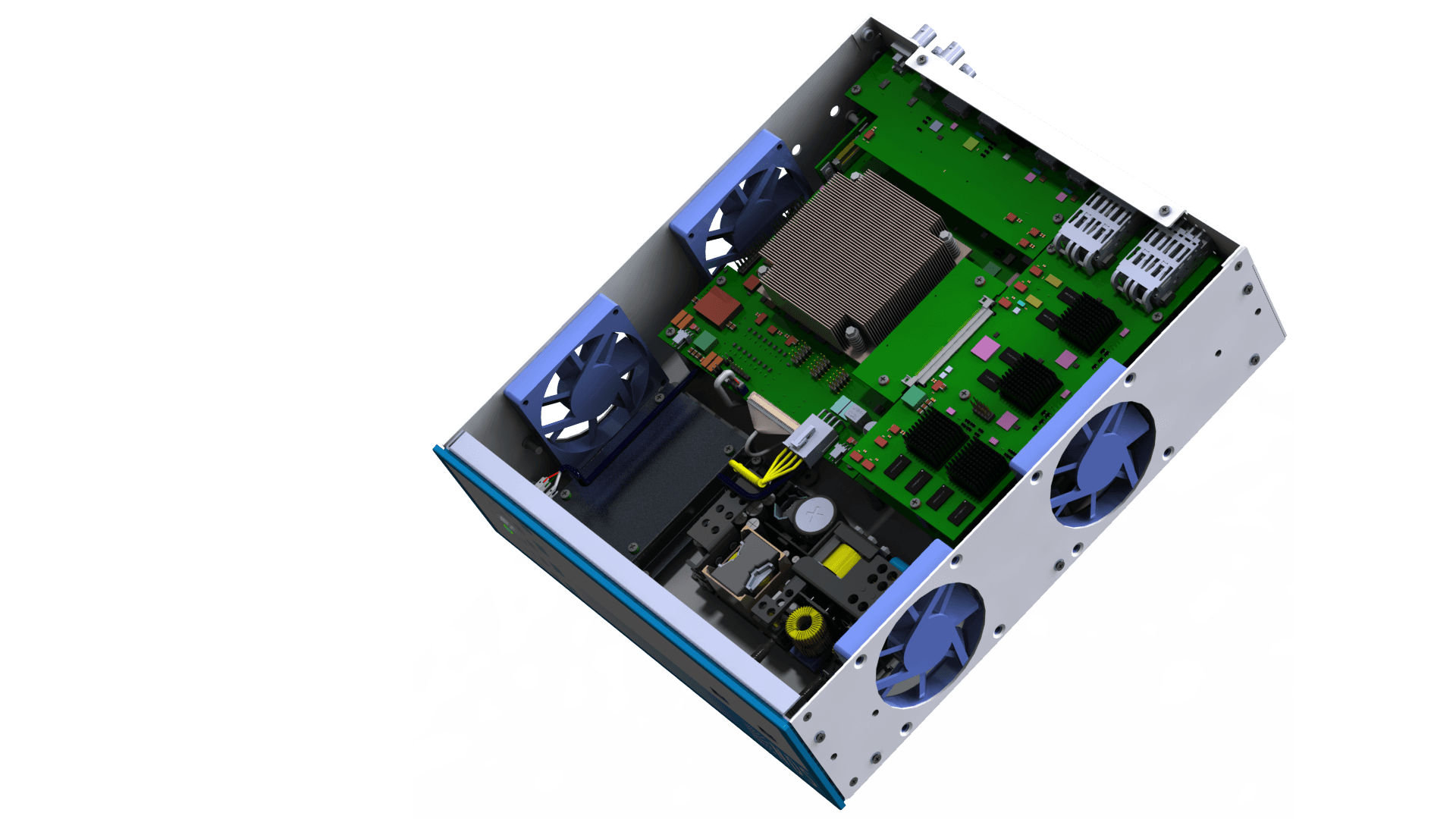
VIMA 4K medical platform
Hardware and product experience we co-developed with Novanta Czech Republic—surgical imaging and OR workflow in one stack.
Product, integration, performance
Three commitments so deep tech does not fracture into three vendors pointing at each other.
Design for reality
Mechanical constraints, DFM, and clinical UX in one thread. You get a product story that still holds when tolerances, EMI, and human factors show up.
Bring-up and integration
Boards, firmware, drivers, and the glue between them. We stay through the unglamorous weeks when the demo works sometimes and the schedule does not.
Performance at the metal
GPUs, kernels, and numerical cores when microseconds matter. We profile before we polish, so speed lands where revenue and safety do.
With software and AI
Deep tech rarely stops at the enclosure
The same teams that stress firmware and CUDA often need production-grade software, data paths, and AI execution. We keep the stack coherent so you are not translating intent across four contracts.
When you are ready to align hardware bets with SDLC and AI adoption, we can walk both sides of the line with one engineering culture.
Explore full delivery on the Services page, or see how we frame AI execution on the AI page. Same 15-minute call if you want to map where hardware meets your roadmap.
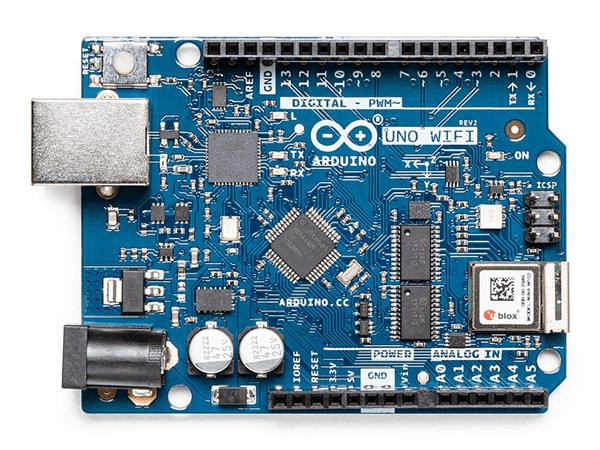
Field-ready prototypes
The same Arduino and Raspberry Pi bring-ups we use for sport gear—fast loops in the lab and with athletes before you freeze the BOM.
From bench curiosity to something users trust
A straight-line arc is rare. Here is how we tend to partner when the work is deep and the stakes are real.
Step 1
Truth in the prototype
We pick the smallest honest demo—Arduino, Pi, or lab bench—so assumptions die cheaply and the next funding gate is evidence, not theater.
Step 2
Integration under pressure
Firmware, mechanical, and software meet where they always do: in the bug list. We stay in the room until the system behaves as one product.
Step 3
Performance where it counts
When kernels or CUDA paths dominate latency, we optimize with traces and budgets—not folklore about what should be fast.
Step 4
UX that survives the device
Medical and field UX is part of the hardware program: flows, failure modes, and labeling that still make sense when users are tired.
Step 5
Frontier compute when you need it
Quantum and specialized accelerators enter when the problem demands it; we keep the goal tied to measurable outcomes, not novelty for its own sake.
Ready to stress-test your next deep tech bet?
No pitch deck. A working session to see if we are the right team for your next chapter.
Same 15-minute Cal flow as the rest of the site. You choose the time. We bring the experience.